To Think with the Ocean from Nicol Sopikova 2026
Notes: Nicol joined us and our Sea-Water Amplification research and education platform during March and April 2026 to devote herself to her artistic research work on the relationship with water, the ocean and more-than-human forces. This text is a retrospective of her research work and her stay on the Pico island.
I was alone most of the time, but I did not feel lonely. I entered an everyday dialogue with the ocean.
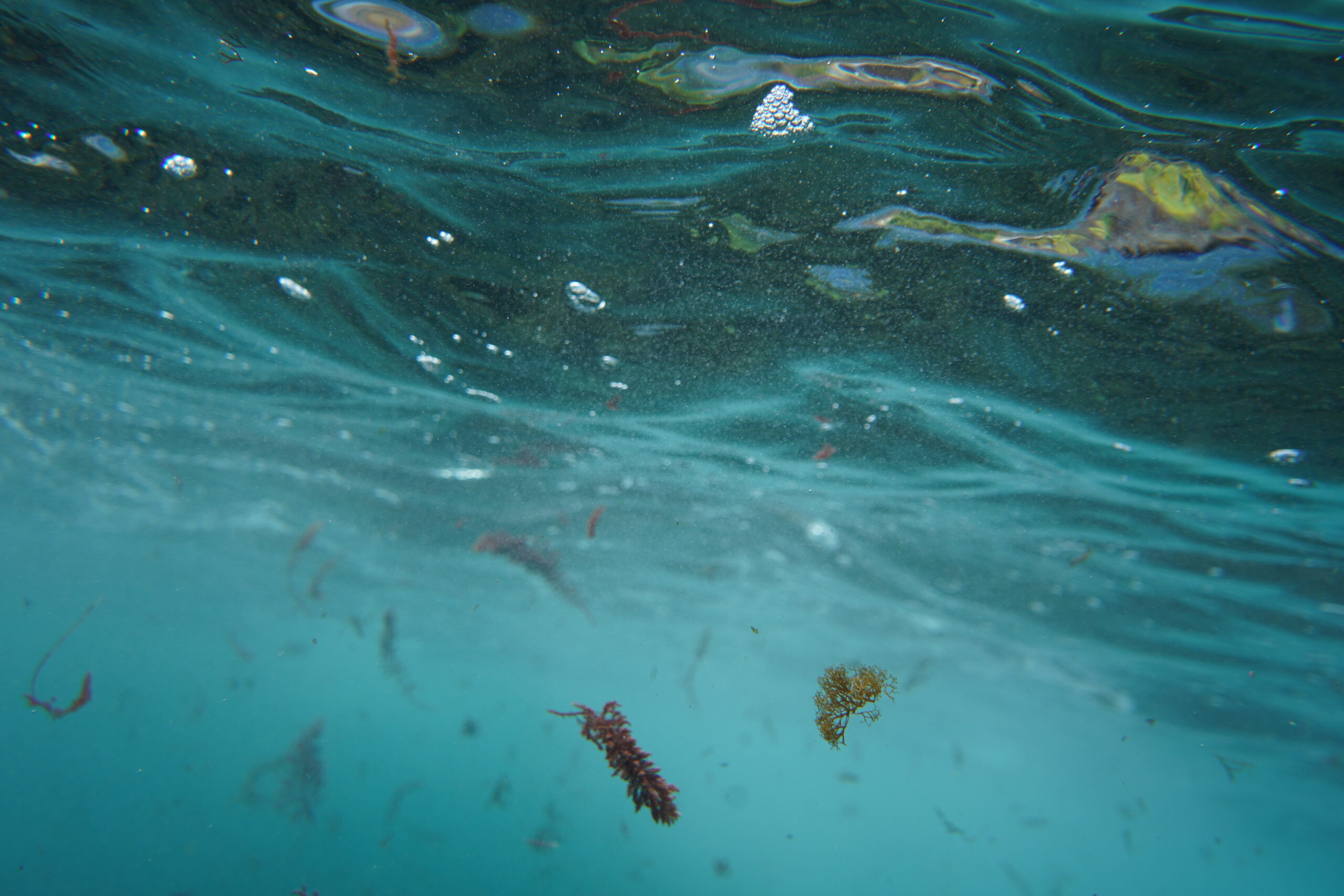 photo © Sea-Water Amplification (SWA) Atlantic Ocean Azores 2026
I arrived on Pico Island not fully knowing what kind of experience was waiting for me. Over time, something began to shift. The environment slowly reorganized my attention. My body responded differently to humidity, wind, temperature, sound and movement.
It took time before these changes stopped feeling external. Some forms of adaptation happened slowly, almost unnoticed at first.
The body often arrives later than the mind.
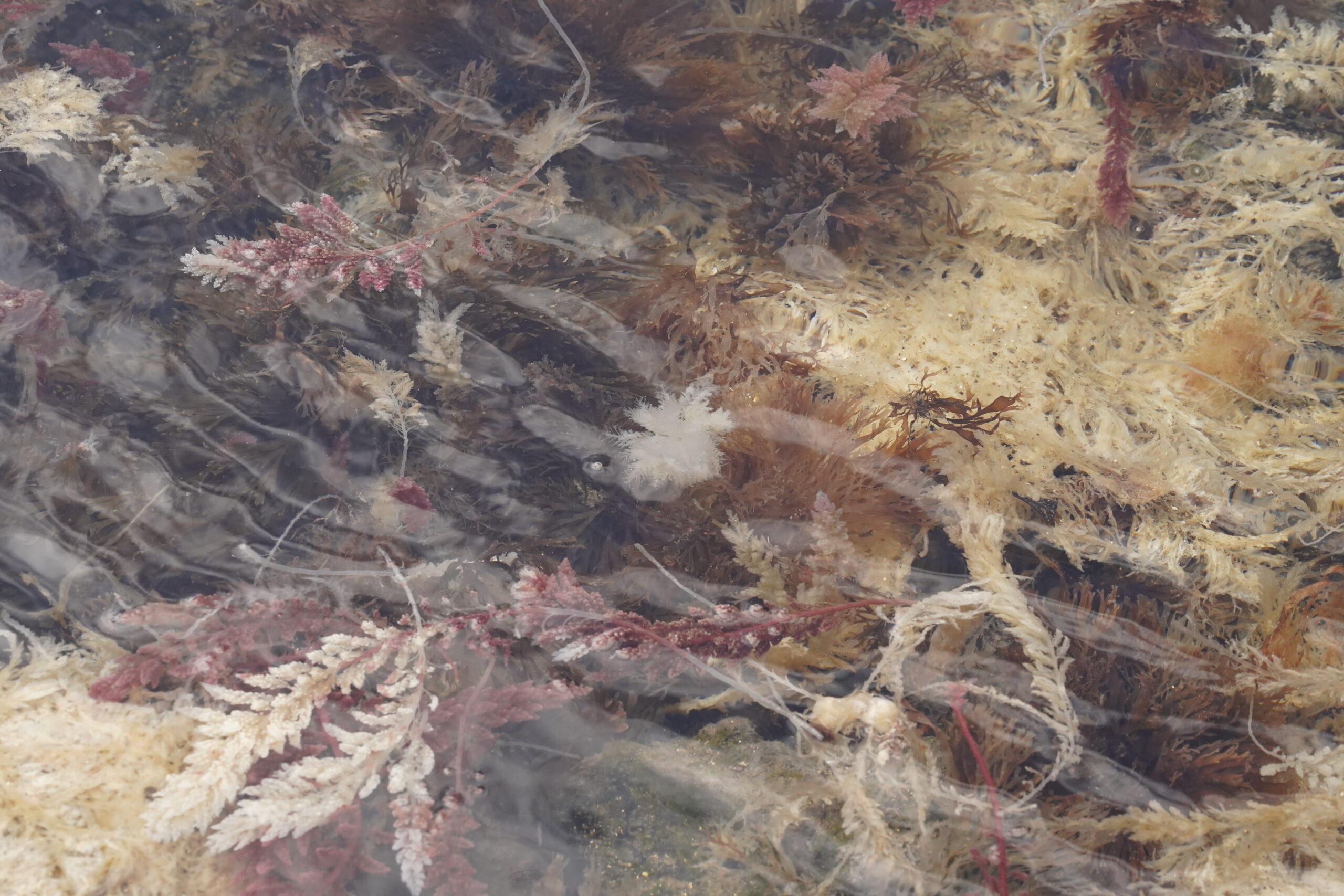 photo © Sea-Water Amplification (SWA) Atlantic Ocean Azores 2026
Only gradually did I begin to understand certain ideas I had previously encountered through the work of Sea-Water Amplification. Concepts such as embodied perception, meteorological sensitivity or more-than-human relationality no longer felt distant or theoretical. They became tangible through repetition, attention and direct experience.
I started to notice how much contemporary life produces a kind of sensory detachment from the environments we inhabit. Interior spaces, screens and urban rhythms often reduce our sensitivity to subtle changes in atmosphere, materiality and time. On the Azores archipelago, this separation became impossible to maintain. The body was continuously addressed by the environment.
Wind carried the rhythm of walking.
Humidity held the body.
The ocean entered sleep through sound.
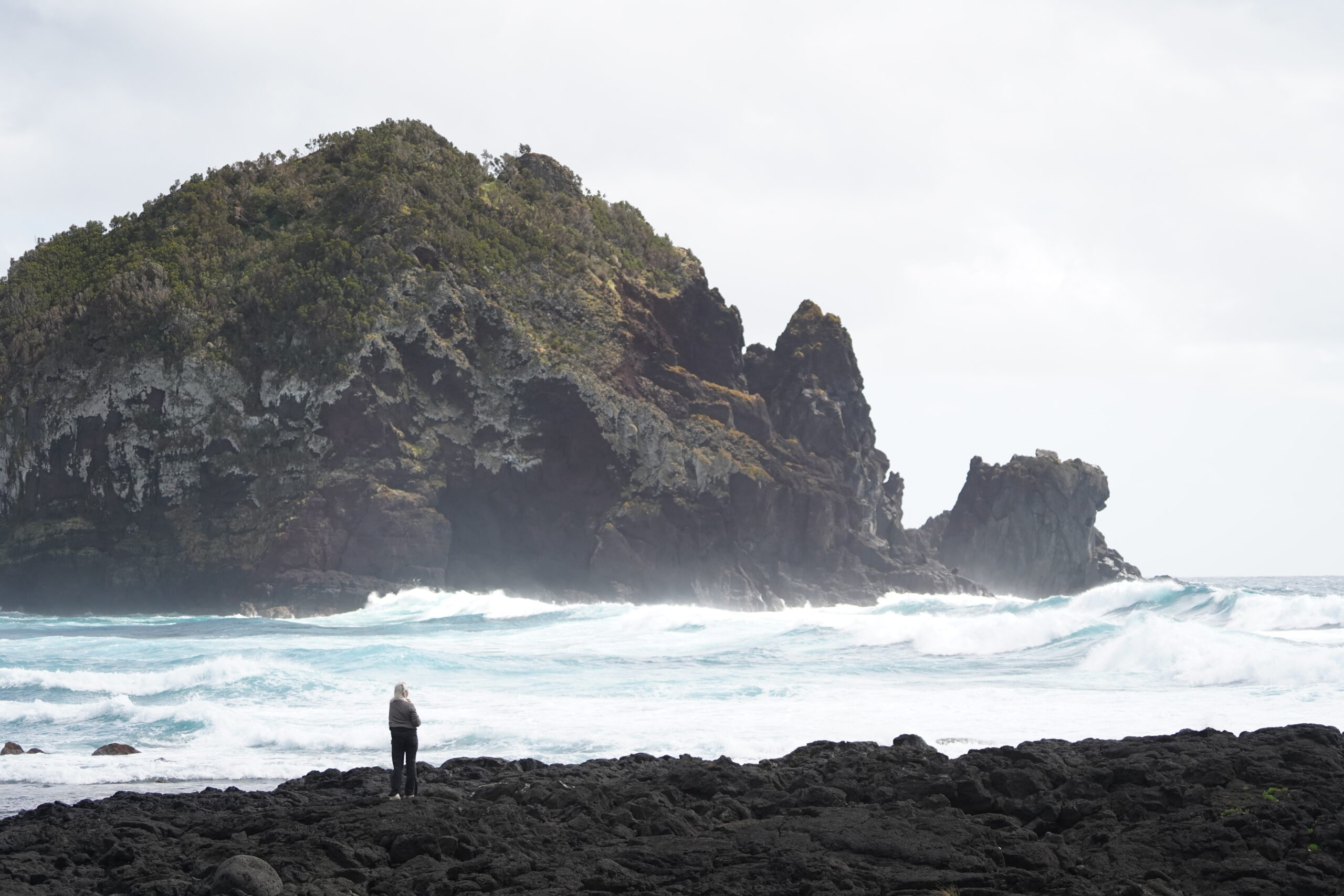 photo © Sea-Water Amplification (SWA) Atlantic Ocean Azores 2026
What I previously considered emotions or moods began to feel more like navigational capacities, like a subtle bodily orientation through which the environment could be sensed and interpreted. Feelings stopped appearing as something irrational or secondary to thought. They became another form of intelligence. The body was constantly reading pressure, movement, instability, distance, exposure or calmness long before these conditions could be consciously articulated.
This form of attentiveness also emerged through simple physical interactions with the landscape. Walking across volcanic coastlines or wet rocks required a different relationship to movement. Sometimes the rhythm of the incoming waves briefly revealed firmer ground beneath the surface, a stable place to step that existed only for a few seconds before disappearing again. The body had to learn timing, responsiveness and adaptation rather than control.
Knowledge in this sense was not accumulated through mastery, but through participation.
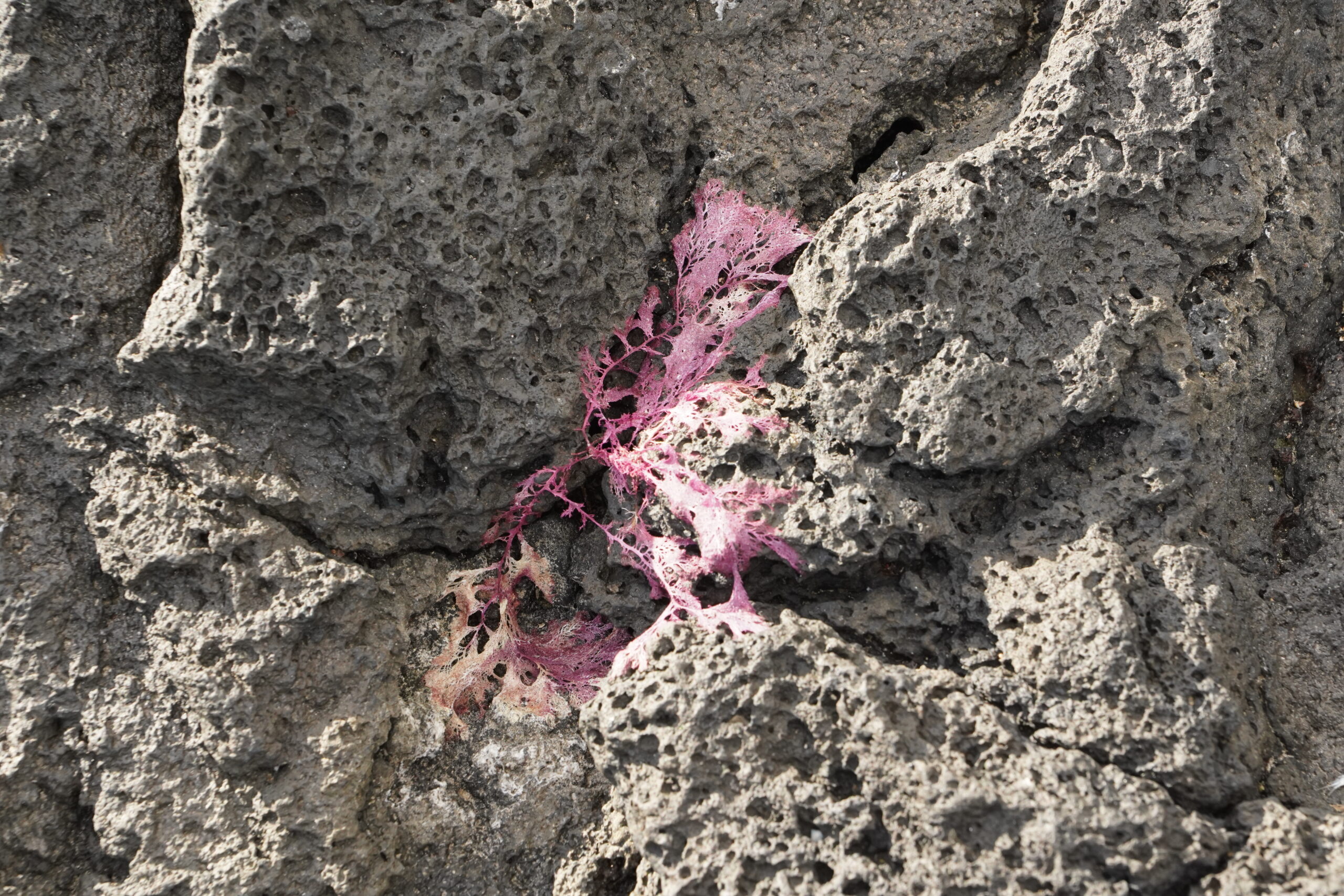 photo © Sea-Water Amplification (SWA) Atlantic Ocean Azores 2026
At some point, I stopped perceiving the ocean as something “outside” of me.
Not because I understood it better, but because I became more aware of how much it was already shaping the way I moved, breathed, listened and paid attention.
Perhaps this is why the experience felt so transformative. Not because it provided clear answers, but because it destabilized the assumption of human separateness.
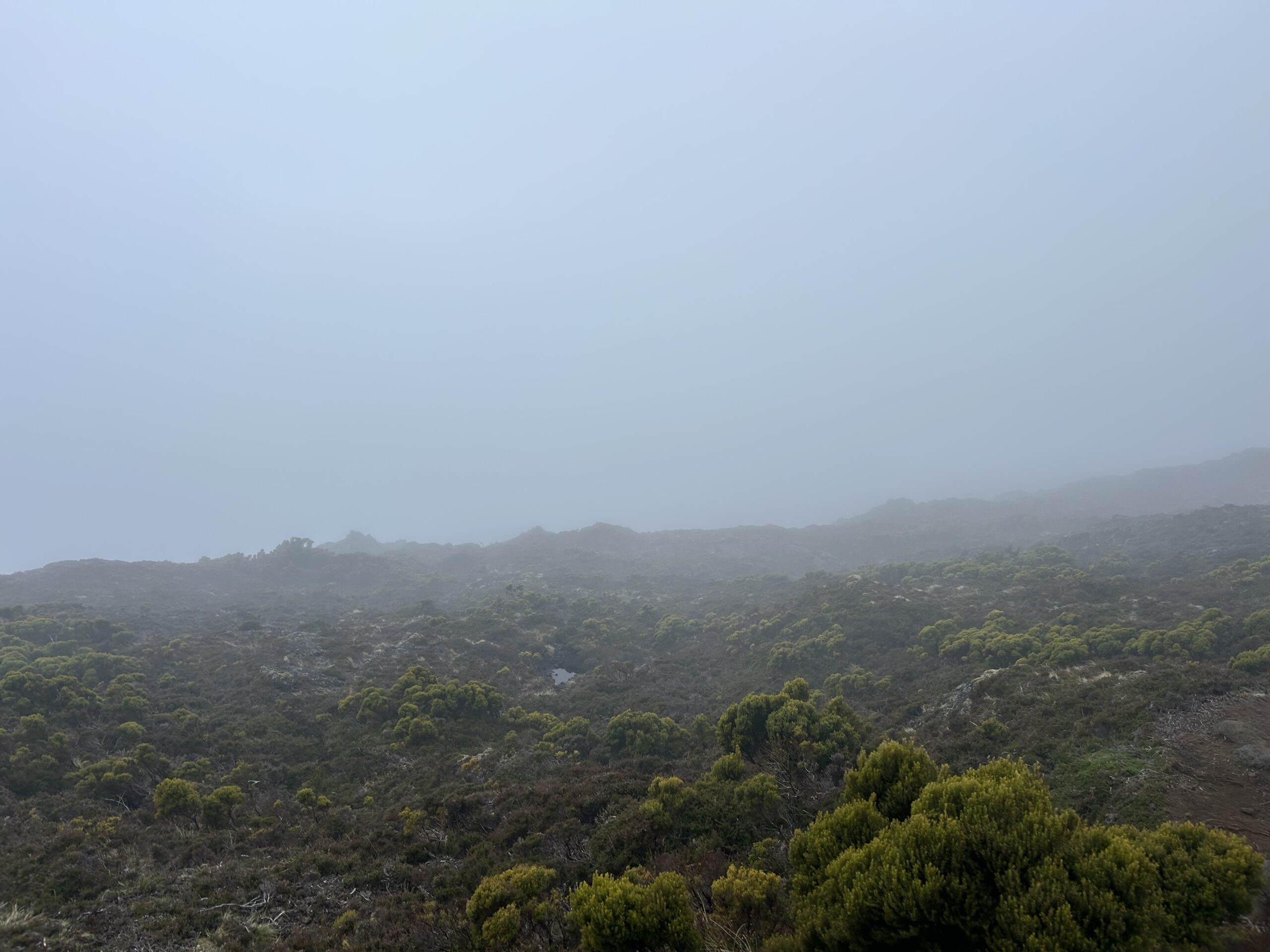 photo © Nicol Sopikova archive
I spent so much time observing the ocean that eventually I began to feel observed by it too.
After some time, even small atmospheric changes became impossible to ignore. Several days of strong wind could completely alter my energy and emotional state. The ocean entered daily life constantly, through sound, humidity, salt, exhaustion, waiting. Some days, the landscape felt emotionally overwhelming in a way I could not fully explain.
Even breathing began to change. Not symbolically, but physically.
I stopped waking up with the same inner pressure I carried from the city.
The need to constantly control or optimize experience weakened.
Eventually, the weather becomes stronger than your ego.
The cold and constant wind slowly get under your skin until resistance no longer makes sense. Slowly, the body begins adjusting instead of resisting.
For several nights after returning home, I dreamt of the ocean.
In the dreams, I was sitting quietly by the water and felt completely held by it.
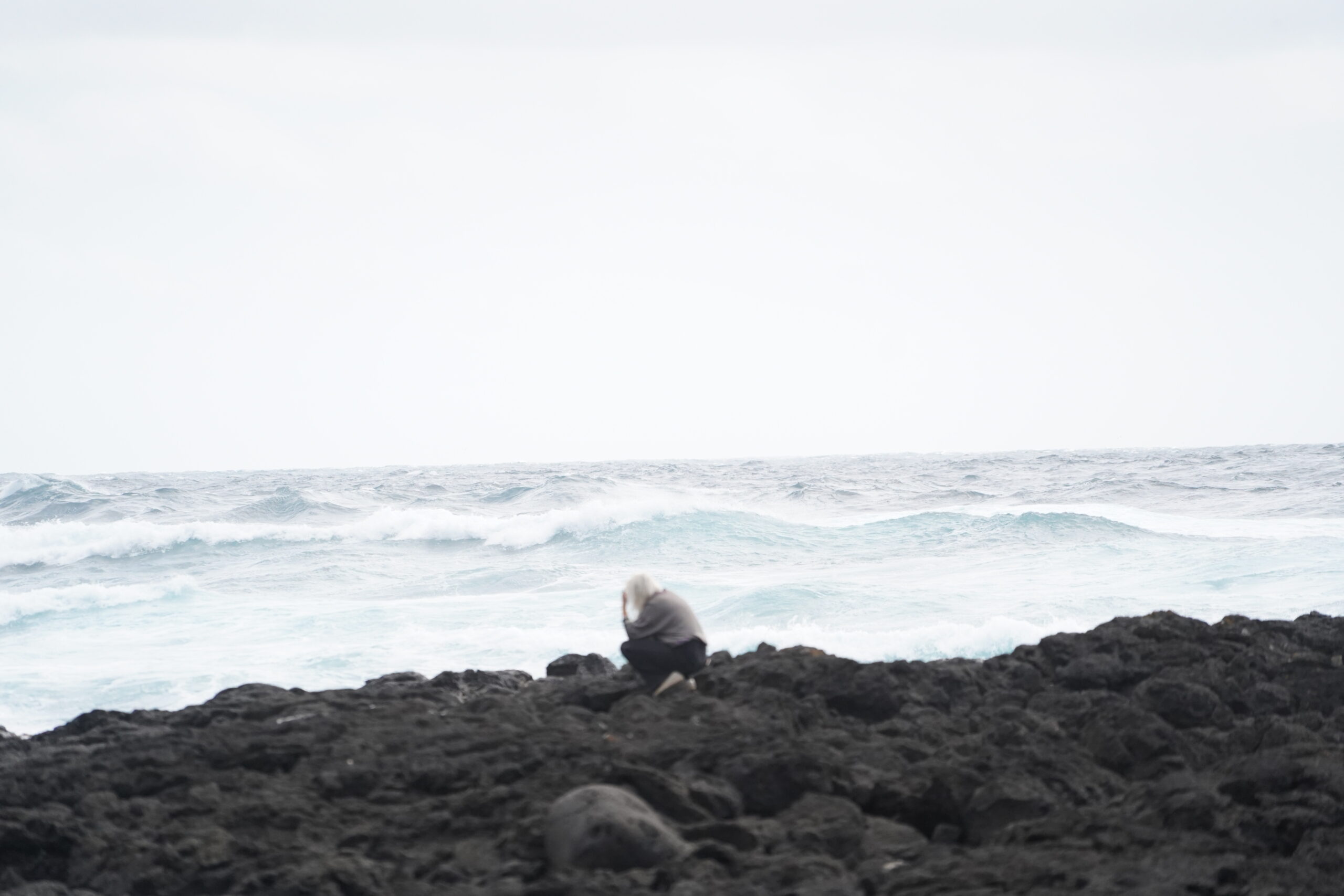 photo © Sea-Water Amplification (SWA) Atlantic Ocean Azores 2026
The ocean is not somewhere outside of us.
It flows in breath, salt, circulation, memory, sensation and movement.
We carry oceanic rhythms within our own bodies.
Certain forms of knowledge require the body to arrive first.
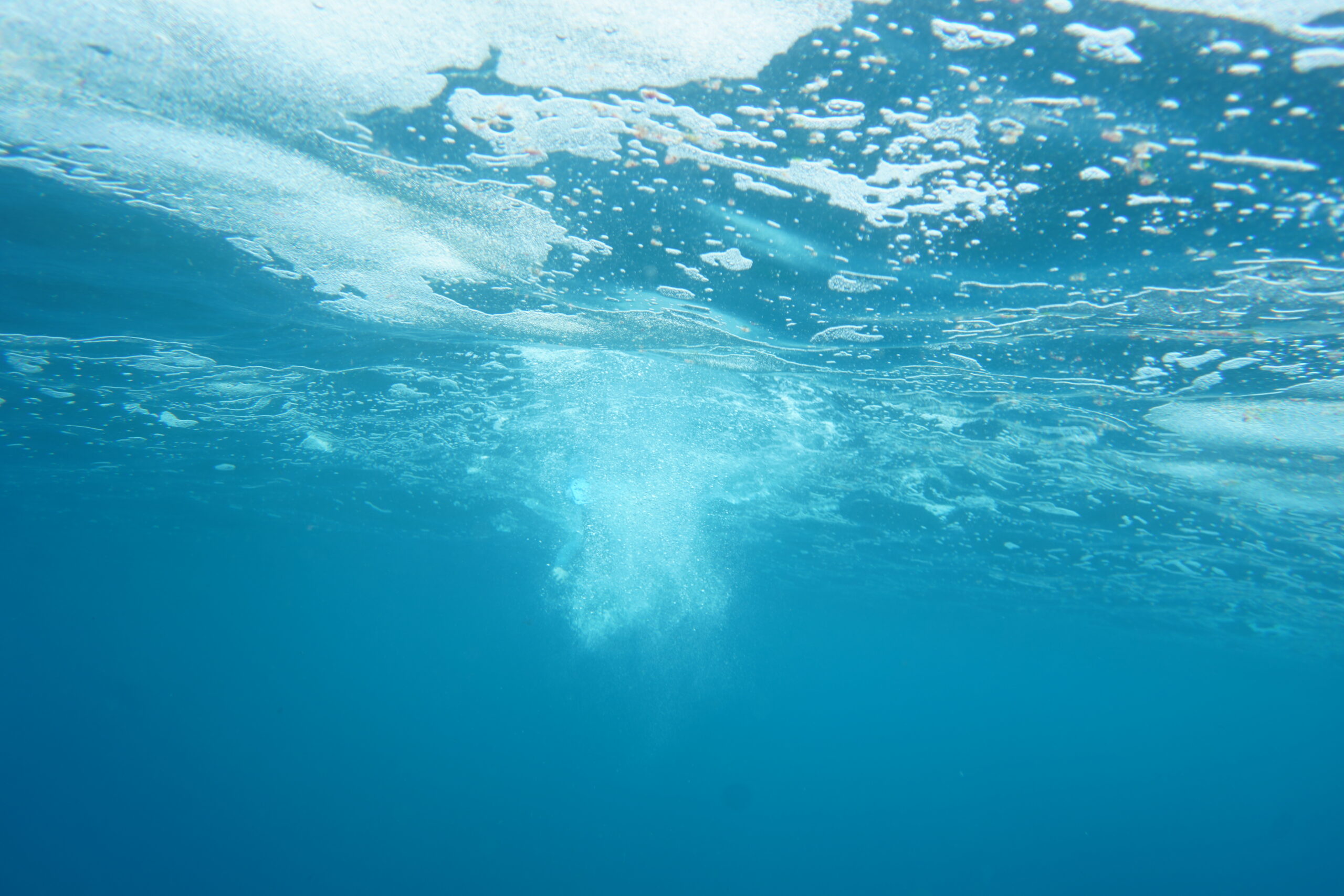 photo © Sea-Water Amplification (SWA) Atlantic Ocean Azores 2026
This text is distilled from a research project developed during my residency with Sea-Water Amplification on Pico Island. The experience continues to shape the way I think and perceive the world. If you wish to explore these ideas further, they are expanded in my thesis Thinking with the Ocean: Artistic Research and More-than-Human Understanding in Contemporary Art.