New interview 𝕋𝕙𝕖 𝕠𝕔𝕖𝕒𝕟 𝕚𝕤 𝕨𝕙𝕒𝕥 𝕦𝕟𝕚𝕥𝕖𝕤 𝕦𝕤, 𝕟𝕠𝕥 𝕨𝕙𝕒𝕥 𝕤𝕖𝕡𝕒𝕣𝕒𝕥𝕖𝕤 about our work together with the ocean is now available for reading
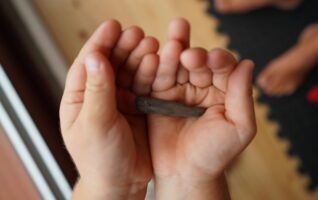
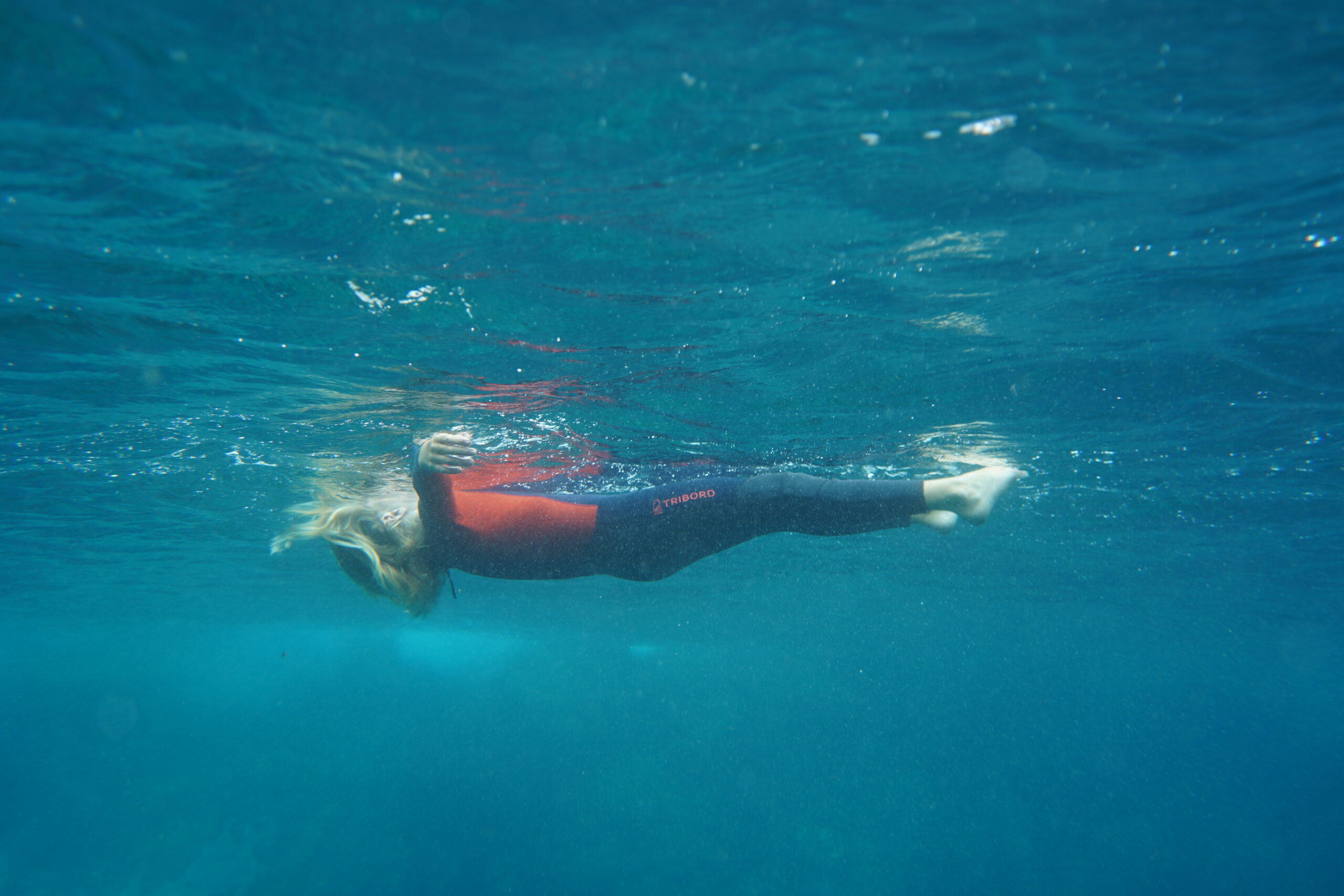 photo © Sea-Water Amplification (SWA) Atlantic Ocean Azores 2026
We would like to share with you a new interview that was created for the work Thinking with the Ocean: Artistic Research and More-Than-Human Knowledge in Contemporary Art.
The interview was conducted by Nicol Sopikova as part of the SWA residency on the island of Pico, on 15. 3. 2026.
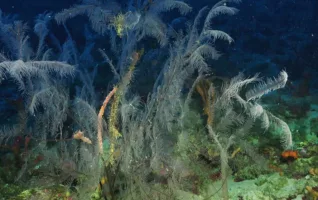
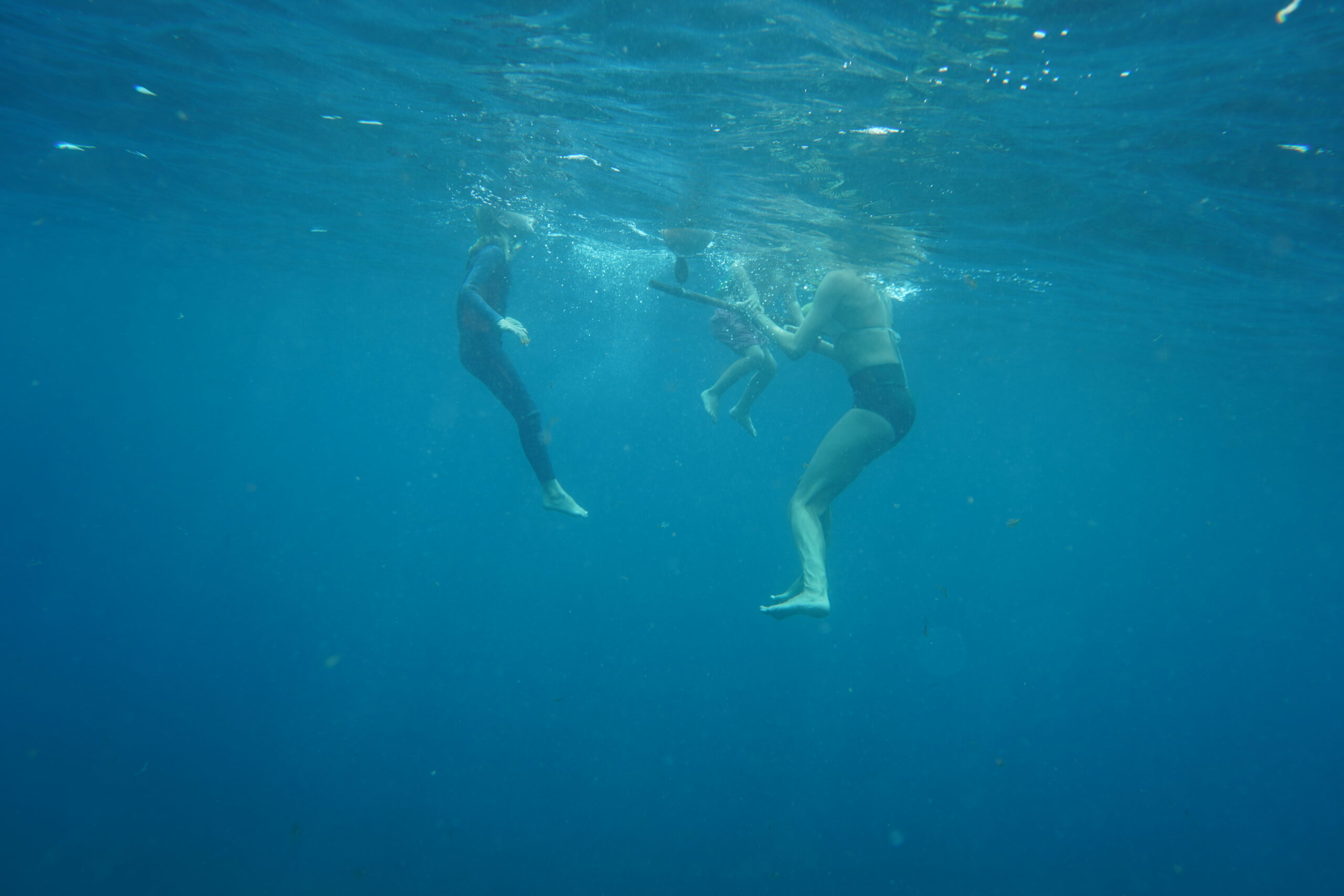 photo © Sea-Water Amplification (SWA) Atlantic Ocean Azores 2026
Nicol: What role does the body play in the process of cognition?
Ales: Research based on embodied practice, also means research based on direct experience. For some reason, we believe that we own our bodies. Yet much just flows through our imagination. In one of our works, we say that we are, in a sense, soft vessels of seawater. Bodies in the process of cognition can perform the function of a kind of temporary archive or database. They are shaped by places and weather effects. They are sensory organs and vessels for reading the atmosphere. We feel this very intensely on ourselves. Everyone can feel it a little differently over time. The body becomes our weather and form over time, as the weather also changes. This means that it is dynamic and, above all, interactive. But the body also influences the environment, because it always extends across different worlds, which themselves are also very large, unknown and different. Listening through our bodies means immersing in how these worlds meet each other.
 photo © Sea-Water Amplification (SWA) Atlantic Ocean Azores 2026
Nicol: Do you feel that language is often lacking for experiences that arise in relation to the ocean? How do you work with it?
Ales: I answered that a little bit in the previous answer. The ocean is without concept. The ocean flows through our imagination. This is already a very mysterious connection. We love everything as long as we can take it. If we dive into this inverted version of the world, the water will engulf us and embrace us and you float. This is one of the many gifts that the ocean gives us.
The interview is now available on the website of the Journal of Sea-Water Amplification in English and Czech.
English Interview: The ocean is what unites us, not what separates us
Czech Interview: Oceán je to, co nás spojuje, ne to, co nás odděluje